

Welcoming Your New Puppy
Bringing home a puppy is one of the most exciting and rewarding experiences a new pet parent can have. That magical moment often called “puppy gotcha day”marks the beginning of a lifelong bond filled with joy, laughter, and unconditional love. Yet, for many new owners, the first week with a puppy can also feel overwhelming.
A puppy checklist for new owners is more than just a shopping list it’s a survival guide. From high‑quality puppy food and stainless steel bowls to crates, bedding, collars, leashes, ID tags, chew toys, and grooming tools, these essentials ensure your puppy’s health, safety, and comfort. But beyond supplies, success in the first week depends on routines, patience, and understanding. Rescue dogs, in particular, may need extra care as they learn to trust and feel secure in their new surroundings.
Why a Puppy Checklist Matters
Organization reduces stress. With so many tasks feeding schedules, potty training, vet appointments, and socialization.it’s easy to forget essentials. A checklist keeps you on track, ensuring that you have food, bedding, toys, and grooming supplies ready before your puppy arrives.
Supports healthy development. Puppies thrive on consistency. Proper nutrition, safe spaces like a crate, and structured routines help them grow into confident, well‑adjusted dogs. A checklist ensures that you’re meeting these needs from day one, setting the foundation for long‑term health and happiness. It also helps you monitor progress, such as tracking feeding times or potty breaks, which is crucial during the first week. When routines are predictable, puppies feel secure, making training easier and bonding stronger.
Builds confidence for new owners. Knowing you’re prepared gives peace of mind. Instead of worrying about what you might have forgotten, you can enjoy the excitement of “puppy gotcha day” and focus on creating positive experiences. This confidence also helps your puppy feel secure, since dogs pick up on human emotions and routines. When you’re calm and organized, your puppy senses stability, which reduces anxiety and supports smoother adjustment.
Preparing for Puppy Gotcha Day
| Home Preparation | Family Preparation | Adoption Preparation Tips |
| Remove toxic plants such as lilies, azaleas, and poinsettias. Even small nibbles can be harmful, so it’s best to keep these out of reach or replace them with pet‑safe alternatives. | Assign roles. One person can manage feeding, another can handle walks, and someone else can oversee training. Dividing responsibilities ensures consistency and prevents confusion | Ask about vaccination history. Knowing which shots have been completed helps you plan vet visits and protect your puppy’s health. |
| Secure electrical cords and small objects. Puppies love to chew, and exposed wires or tiny items can pose choking or safety hazards. Use cord covers or tuck wires behind furniture. | Discuss household rules. Decide early whether the puppy will be allowed on furniture, where it will sleep, and which rooms are off‑limits. Clear boundaries help avoid mixed signals. | Request temperament notes. Understanding whether your puppy is shy, energetic, or social allows you to tailor your approach during the first week. |
| Block off unsafe areas with baby gates or barriers. This helps you supervise your puppy more easily and prevents accidents in kitchens, staircases, or storage rooms. | Prepare children. Teach kids how to interact gently with the puppy. Encourage calm play and explain that sudden movements or rough handling can frighten or stress the dog. | Prepare a quiet adjustment space. Rescue dogs especially benefit from a calm environment where they can decompress. A quiet corner with a crate or bed helps them feel secure as they learn to trust their new family. |
| Create a designated puppy space. Set up a crate with soft bedding and a few toys. This area becomes their safe retreat when they feel overwhelmed, helping them adjust faster. |
Essential Puppy Supplies List
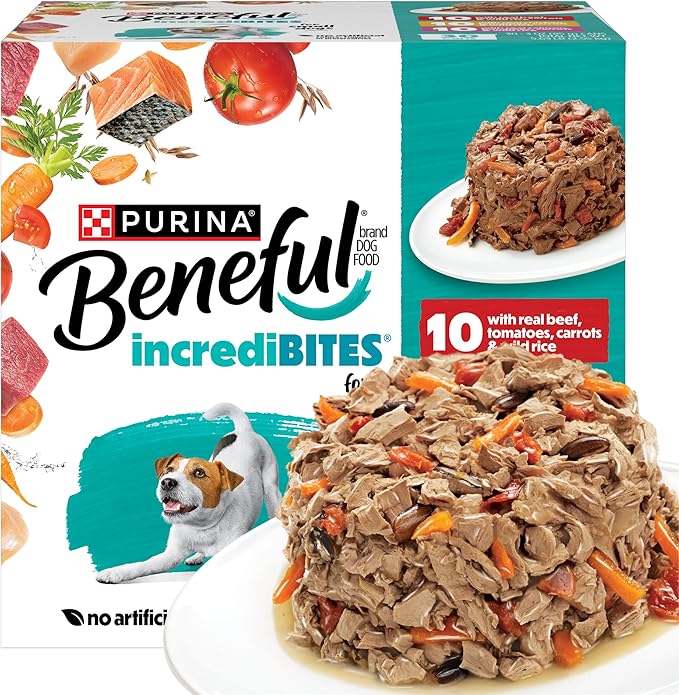
Beneful Purina Small Breed Wet Dog Food Variety Pack
Purina Beneful Small Breed Wet Food Dog Gravy Variety Pack, IncrediBites With Real Beef, Chicken and Salmon is made with real beef, chicken and salmon, and real vegetables and grains you can see.
This adult dog food is specially made for small dogs in 3 oz. cans.
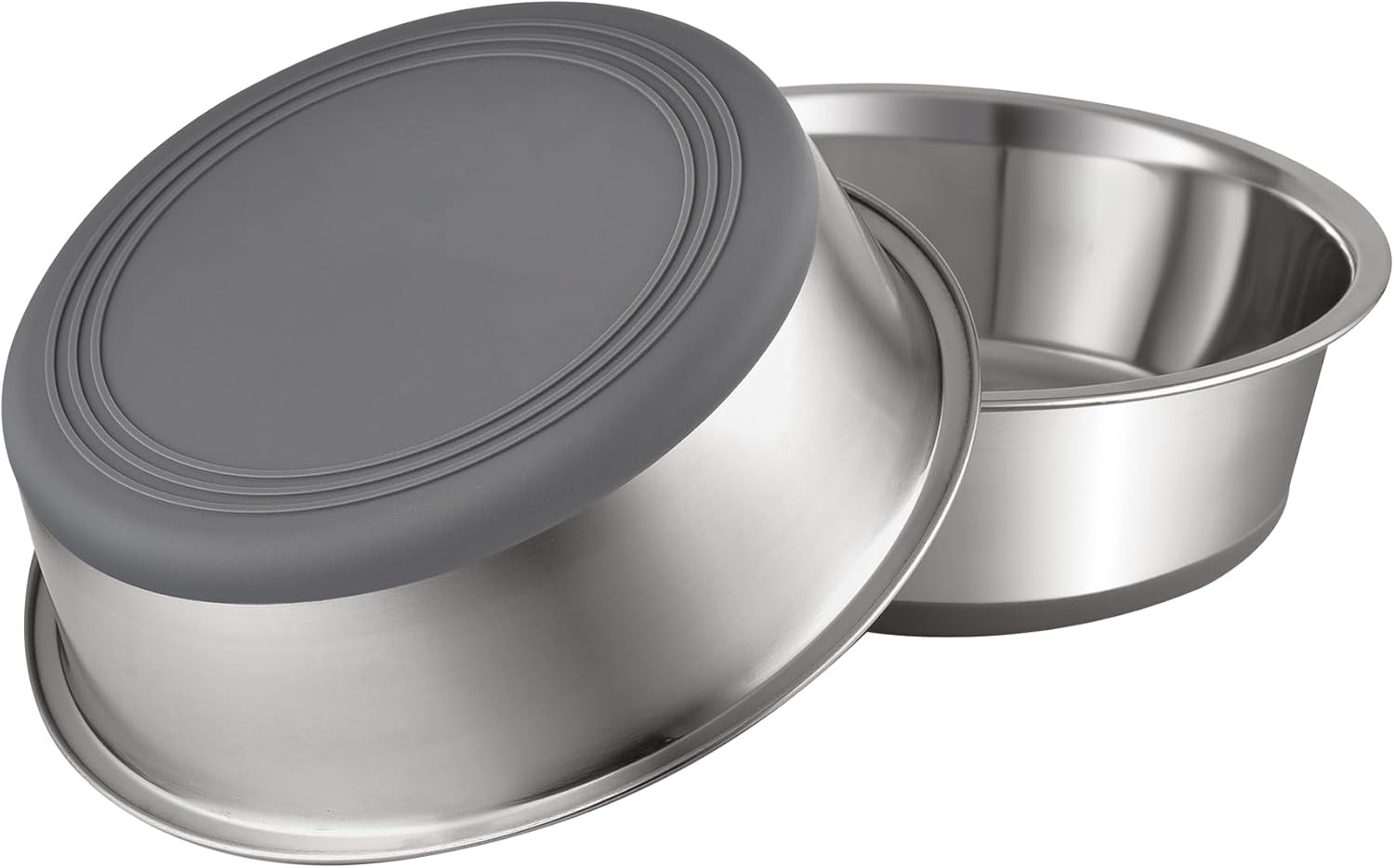
PEGYY11 Nonslip Stainless Steel Dog Bowls
Safe Materials: Crafted from stainless steel and silicone, non-toxic and BPA-free for your pet’s safety
Dimensions & Capacity: 8.0″ without lip, 8.5″ with lip, 2.6″ height. Each Bowl Holds 7.6 cups, ideal for dogs weighing between 30-60 lbs
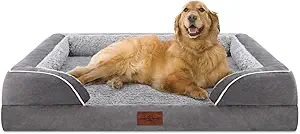
Comfort Expression Orthopedic Dog Bed
Safe & Cozy Dog Sofa Design: Crafted with your pet’s daily comfort in mind, our orthopedic dog bed features OEKO-TEX Standard 100 certified fabric for a soft, gentle surface.The 3-sided bolster design
Size for Pet, Style for Home: Available in a range of stylish colors to complement your home. This dog couch bed comes in a full spectrum of sizes to fit all breeds pets from Mini to XXL, from small kittens to giant breed dogs. Our XL size dog bed (42″L x 30″W, with a 34″L x 26″W sleeping area) features a 3.5″ thick supportive base and 5″ bolsters, a suitable choice for dogs up to 32″ long and 90 lbs, such as labradors, golden retrievers, and german shepherds.

Dog Bark Collar for Large Medium Small Dogs
Safe, Effective, Easy Setup: The dog bark collar has 4 working modes; 5 adjustable sensitivity levels. Just press the M button at any time to enjoy quiet time. Please refer to the user manual before use for optimal performance and safety
Fits Most Dogs: Our bark collar is 27 inches long and weighs 0.17 lbs, suitable for dogs weighing 8 to 150 lbs with neck sizes from 8 to 25 inches, and is ideal for dogs over 6 months old. The bark collar length can be adjusted as your dog grows
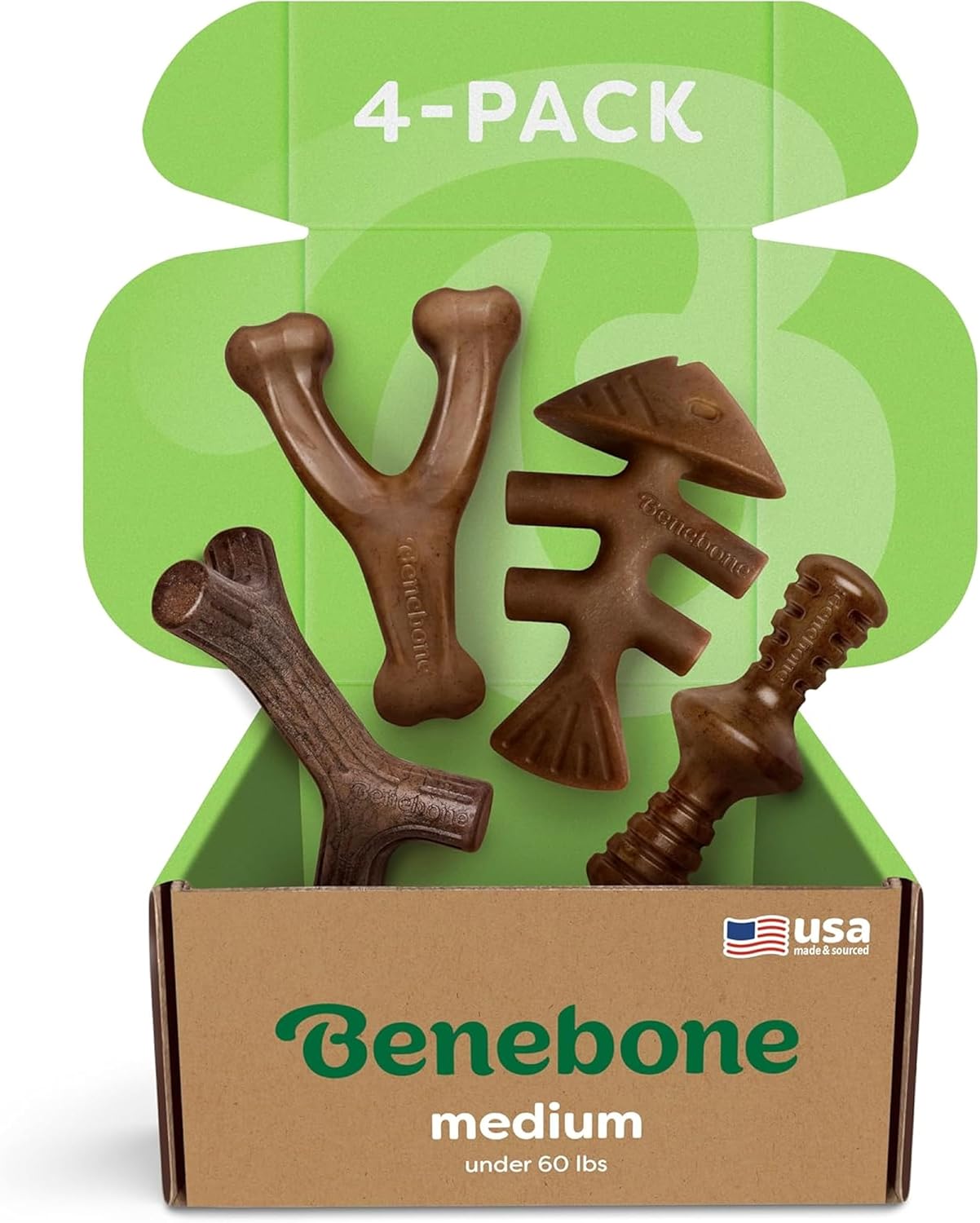
Benebone Medium 4-Pack Dog Toys for Aggressive Chewers
DOG TOYS FOR AGGRESSIVE CHEWERS – Built for power chewers who destroy ordinary dog bones in minutes. Benebone chews are tougher than real bones and designed to stand up to serious gnawing. Super-chewer approved.
REAL FLAVOR DOG BONES DOGS CAN SMELL – We use only 100% REAL FLAVOR like bacon, fish, and maple wood—no artificial coatings. Dogs rely on scent, and they know the difference. One sniff and they’re hooked.
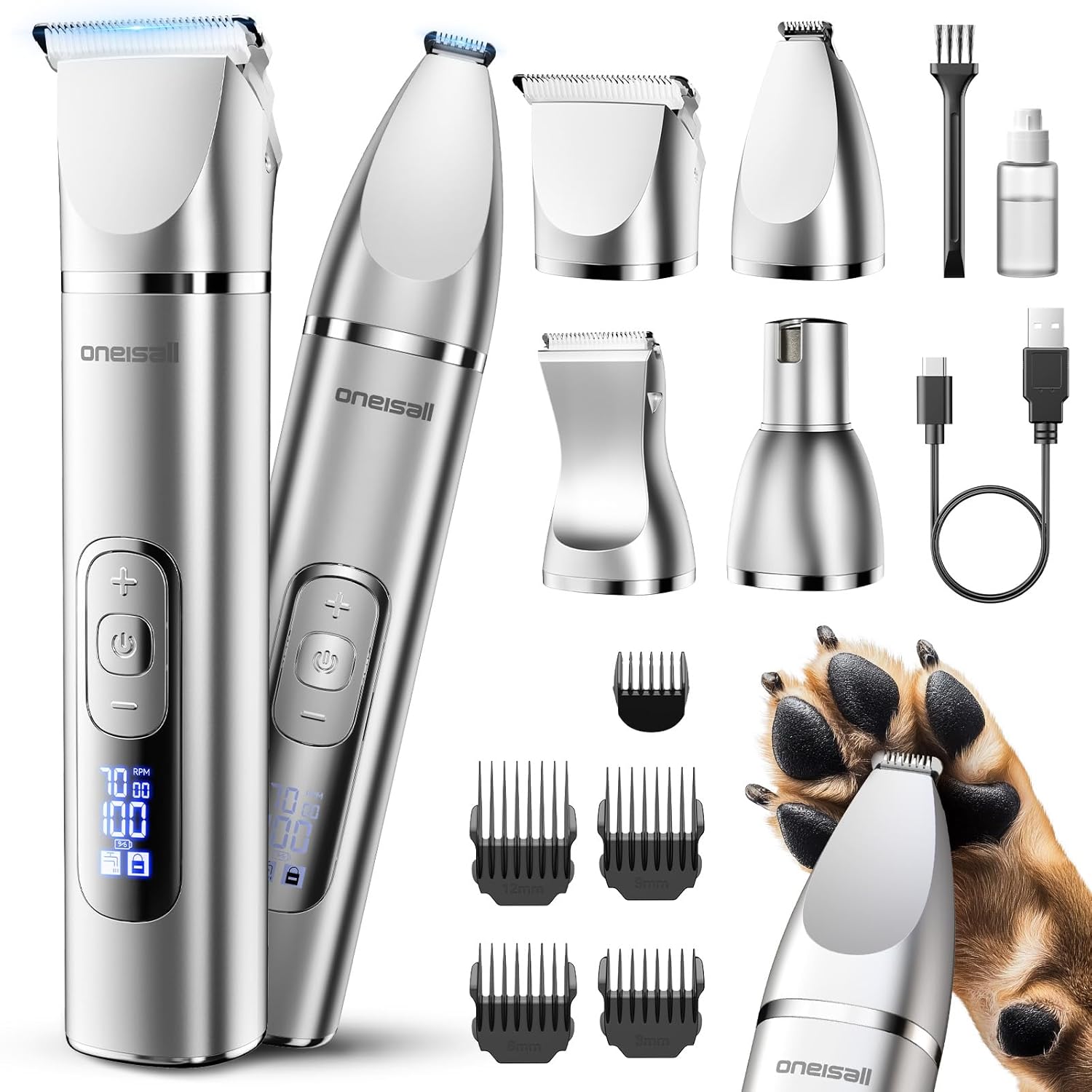
oneisall 4 in 1 Dog Grooming Kit
All-in-One Dog Paw Trimmer: Replace 4 tools with 1 pro-grade dog trimmer for grooming! Trim pet body coats, shave sensitive dog paw trimmer areas, detail face/ears, grind nails, and remove mats – no extra blades needed. Suitable for full-body care in 15 minutes
7000RPM Dog Hair Trimmer for Coats: Power through mats with a dog hair trimmer featuring 7000RPM motor + 3 speeds (6000/6500/7000). Cut dog fur smoothly, trim delicate puppy nails vibration-free, and keep large breeds calm – dog grooming clippers that adapt to every pet (Note: Ensure a smooth cut by oiling blade teeth before use)
First Week with a Puppy
The first two days are all about creating a sense of safety and comfort. Introduce the crate as a secure space where your puppy can rest and feel protected. Keep the crate in a quiet area of your home and encourage your puppy to explore it with treats and gentle praise. Establish a feeding schedule of three to four meals per day, using high‑quality puppy food to support growth. Potty training should begin immediately, with frequent outdoor trips after meals, naps, and play sessions.
By the middle of the week, your puppy will start to feel more comfortable. This is the perfect time to introduce short leash walks for exercise and exploration. Keep walks brief and positive, allowing your puppy to experience new sights and sounds without overwhelming them. Begin socialization by gently introducing family members and close friends, ensuring interactions are calm and positive. Chew toys should also be introduced during this stage to redirect natural chewing instincts away from furniture and shoes.
Toward the end of the week, schedule your puppy’s first vet checkup. This visit is essential for vaccinations, deworming, and overall health assessment. It’s also a good time to discuss microchipping for permanent identification. Introduce grooming gradually with gentle brushing and a nail check, helping your puppy get used to being handled. Reinforce routines for feeding, potty breaks, and bedtime so your puppy begins to understand what to expect each day.
Adjusting to a Rescue Dog
Rescue dogs often come with unique backgrounds, and some may carry past trauma or anxiety from previous experiences. Patience is the most important tool you can offer during this adjustment period. Unlike puppies raised in stable environments, rescue dogs may need extra time to feel safe, build trust, and understand that they are finally in a loving home.
During the first week, it’s best to keep things calm and simple. Limit visitors so your rescue dog doesn’t feel overwhelmed by too many new faces. Allow them to explore their new surroundings at their own pace, without pressure. Introduce family members gradually, using quiet voices and gentle movements. If you have other pets, supervise initial meetings carefully and keep them short.
Rescue dogs thrive on predictability. Establish regular feeding times and stick to a consistent potty schedule. Walks should happen at the same times each day, helping your dog understand what to expect. Consistency builds trust, reduces anxiety, and helps your dog settle into its new life more quickly. Even small routines, like bedtime rituals or morning greetings, can provide comfort.
Rewarding calm and desirable behavior is key to helping a rescue dog adjust. Use treats, praise, and gentle petting to reinforce good habits. Celebrate small victories, such as sitting quietly, responding to their name, or calmly meeting a new person. Positive reinforcement not only teaches your dog what behaviors are encouraged but also strengthens the bond between you. Avoid punishment, as it can trigger fear or confusion—focus instead on encouragement and patience.
Training & Socialization Essentials
Crate Training
Crate training is one of the most effective tools for raising a well‑adjusted puppy, but it must be introduced gradually and never used as punishment. Start by placing the crate in a quiet area of your home and making it inviting with soft bedding and a favorite toy. Encourage your puppy to enter by tossing in treats and praising them when they explore. Keep the door open at first, allowing your puppy to come and go freely. Slowly increase the time they spend inside, beginning with short intervals and extending as they grow comfortable. Always associate the crate with positive experiences such as naps, meals, or quiet time. This helps your puppy view the crate as a safe den rather than confinement.
Positive Reinforcement
Positive reinforcement is the cornerstone of effective puppy training. Instead of focusing on punishment, reward desirable behaviors with treats, toys, or enthusiastic praise. For example, when your puppy sits on command, immediately offer a small treat and verbal encouragement. Timing is crucial rewards should be given right after the behavior to strengthen the association. Use a variety of rewards to keep training engaging, alternating between food, play, and affection. Consistency is key; everyone in the household should follow the same approach to avoid confusion. Positive reinforcement builds trust and motivates your puppy to repeat good behaviors. It also strengthens your bond, as your puppy learns that listening to you leads to fun and rewarding outcomes. Avoid scolding or harsh corrections, which can create fear and anxiety. Instead, redirect unwanted behavior and reward the correct response.
Socialization
Socialization is critical during the early months of a puppy’s life, shaping how they interact with people, pets, and the world around them. Begin by exposing your puppy to everyday sounds such as doorbells, vacuum cleaners, and traffic, ensuring experiences are calm and positive. Gradually introduce them to different environments parks, sidewalks, and pet‑friendly stores so they become comfortable in varied settings. Meeting new people should be done gently, with treats and praise to reinforce calm behavior. Controlled interactions with other dogs are equally important, helping your puppy learn play manners and build confidence. Socialization should also include exposure to different surfaces like grass, tile, and sand, as well as car rides and grooming routines. The goal is to create a puppy who is adaptable, confident, and less likely to develop fear or aggression later in life. By investing time in socialization during the first months, you’re setting your puppy up for a lifetime of positive experiences and strong relationships.
Health & Veterinary Care
One of the most important responsibilities of a new puppy owner is ensuring proper health care from the very beginning. The first week sets the foundation for a lifetime of wellness, and veterinary visits are essential to keep your puppy safe, healthy, and thriving. A well‑planned puppy health checklist not only protects your dog but also gives you peace of mind as a new pet parent.
| First Vet Visit Checklist | Wellness Plan |
| Vaccinations: Puppies require a series of vaccinations to protect against dangerous diseases such as distemper, parvovirus, and rabies. Your vet will explain the schedule and ensure your puppy receives the right shots at the right time. | Monthly checkups during the first year: Frequent visits allow your vet to monitor growth, adjust nutrition, and catch early signs of health concerns. These appointments also build your puppy’s comfort with veterinary care. |
| Deworming schedule: Intestinal parasites are common in young dogs, especially rescues. Deworming treatments are safe and effective, and your vet will recommend a schedule to keep your puppy parasite‑free. | Flea and tick prevention: Parasites like fleas and ticks can cause discomfort and transmit diseases. Preventive treatments—whether topical, oral, or collars—are vital to keep your puppy safe year‑round. |
| Microchipping for identification: Microchipping provides permanent identification, ensuring your puppy can be reunited with you if ever lost. It’s a quick, painless procedure that offers lifelong security. | Spay or neuter discussion: Your vet will advise on the best time to spay or neuter your puppy, depending on breed, size, and overall health. This procedure not only prevents unwanted litters but also reduces risks of certain cancers and behavioral issues. |
Why Veterinary Care Matters
Consistent veterinary care ensures your puppy grows into a healthy, confident adult dog. Early vaccinations protect against life‑threatening illnesses, while preventive treatments safeguard against parasites. Regular checkups provide reassurance that your puppy is developing properly, and spay/neuter decisions contribute to long‑term well‑being. By prioritizing health from day one, you’re investing in a lifetime of happiness and companionship.
Long‑Term Puppy Care
As your puppy grows, its nutritional needs change. Most puppies transition to adult dog food around 12 months of age, though larger breeds may need a bit longer. Switching too early can deprive your dog of essential nutrients, while waiting too long may lead to excess weight gain. The transition should be gradual—mixing small amounts of adult food with puppy food over 7–10 days to avoid digestive upset. Look for adult food labeled “complete and balanced,” with high‑quality protein and limited fillers. Monitor your dog’s weight and energy levels during the transition, and consult your veterinarian for breed‑specific recommendations. Proper nutrition at this stage supports healthy joints, a shiny coat, and long‑term vitality.
Training doesn’t stop after the first week—it’s a lifelong process that shapes your dog’s behavior and strengthens your bond. Continue reinforcing basic commands like sit, stay, and come, while gradually introducing more advanced skills such as leash manners and recall. Consistency is key; practice daily in short, positive sessions to keep your dog engaged. Use rewards like treats, toys, and praise to motivate learning. Social situations, such as walks in busy areas or visits to dog‑friendly parks, are excellent opportunities to reinforce obedience. Training also prevents behavioral issues like jumping, barking, or pulling on the leash. Remember, dogs thrive on structure and clear communication.
Mental stimulation is just as important as physical exercise. Enrichment activities keep your dog’s mind sharp and prevent boredom, which can lead to destructive behaviors. Puzzle toys that dispense treats encourage problem‑solving and keep your dog entertained during downtime. Agility exercises, such as tunnels, jumps, and weave poles, provide both physical activity and mental challenge. Even simple games like hide‑and‑seek or scent tracking can enrich your dog’s daily routine. Rotate toys regularly to maintain interest and introduce new challenges as your dog grows. Enrichment builds confidence, strengthens your bond, and ensures your dog remains happy and engaged throughout its life.
Common Mistakes New Puppy Owners Make
Feeding Human Food
One of the most common mistakes new puppy owners make is feeding their dog human food. While it may seem harmless to share table scraps, many foods that are safe for humans can be dangerous for puppies. Items like chocolate, grapes, onions, and certain spices can cause severe digestive issues or even toxic reactions. Even seemingly safe foods, such as fatty meats or dairy, can upset a puppy’s sensitive stomach and lead to diarrhea or long‑term health problems. Puppies require a balanced diet specifically formulated for their growth, and human food often lacks the nutrients they need.
Another issue with feeding human food is the behavioral impact. Puppies quickly learn to beg at the table, which can lead to bad habits and obesity. Overfeeding or offering treats outside of their diet disrupts portion control and can cause weight gain. Instead, stick to high‑quality puppy food and approved treats designed for training. This ensures your puppy receives the right balance of protein, vitamins, and minerals while avoiding harmful ingredients. By resisting the urge to share your meals, you’ll protect your puppy’s health and establish good eating habits that last a lifetime.
Skipping Crate Training
New owners make is skipping crate training. Some people view crates as restrictive, but when introduced properly, a crate becomes a safe and comforting space for your puppy. Without crate training, puppies are more likely to have accidents around the house, chew on furniture, or develop separation anxiety. The crate provides structure, helps with potty training, and gives your puppy a secure retreat when they feel overwhelmed.
Skipping crate training also makes travel and vet visits more stressful. Dogs accustomed to crates are calmer during car rides and more comfortable in unfamiliar environments. Crate training should never be used as punishment; instead, it should be associated with positive experiences like naps, meals, and quiet time. By gradually introducing the crate and rewarding calm behavior, you’ll create a safe den that your puppy loves. This not only prevents accidents but also builds confidence and independence.
Inconsistent Routines
Consistency is one of the most important aspects of raising a puppy, yet many new owners struggle with maintaining routines. Puppies thrive on predictability, and irregular feeding, potty breaks, or training sessions can confuse them. For example, if potty times vary too much, your puppy may not learn when or where to go, leading to accidents. Similarly, inconsistent feeding schedules can cause digestive issues and make it harder to establish healthy eating habits.
Inconsistent routines also affect behavior and training. Puppies learn commands and expectations through repetition, and when rules change, they become anxious or disobedient. For instance, allowing a puppy on the couch one day but scolding them the next sends mixed signals. Establishing clear routines for feeding, potty breaks, playtime, and bedtime helps your puppy feel secure and confident. It also makes training more effective, as your puppy understands what is expected.
Puppy Checklist Recap
A quick recap of essentials ensures you’re fully prepared for your new furry family member. Start with high‑quality puppy food and stainless steel bowls, which provide balanced nutrition and safe, hygienic feeding. Add a crate and washable bedding to create a secure retreat that supports house training and comfort. Safety is key, so invest in an adjustable collar,with your contact information. Keep your puppy engaged with durable chew toys that redirect teething behavior and promote dental health. Regular care is made easier with grooming tools like a gentle puppy shampoo and a brush suited to your dog’s coat type. Finally, establish a vet care plan that includes vaccinations, deworming, flea/tick prevention, and spay/neuter discussions.
Why This Checklist Matters
This checklist is more than a shopping list it’s a puppy care roadmap that reduces stress, builds confidence, and supports healthy development. By preparing these essentials before “puppy gotcha day,” you’ll create a safe, structured environment where your puppy can thrive. Each item plays a vital role in bonding, training, and long‑term wellness, ensuring your new companion grows into a happy, well‑adjusted adult dog.
Building a Happy Life Together
Your puppy’s first week sets the foundation for a lifetime of love, trust, and companionship, making preparation and patience essential. By following a puppy checklist for new owners and establishing consistent routines, you’ll create a safe environment where your dog feels secure. Investing in proper nutrition, crate training, socialization, and veterinary care ensures healthy development and long‑term well‑being. Positive reinforcement and enrichment activities strengthen your bond, turning everyday moments into joyful milestones. With the right supplies, guidance, and commitment, you’ll enjoy every stage of the journey, building a happy life together with your loyal furry friend.