


Introduction
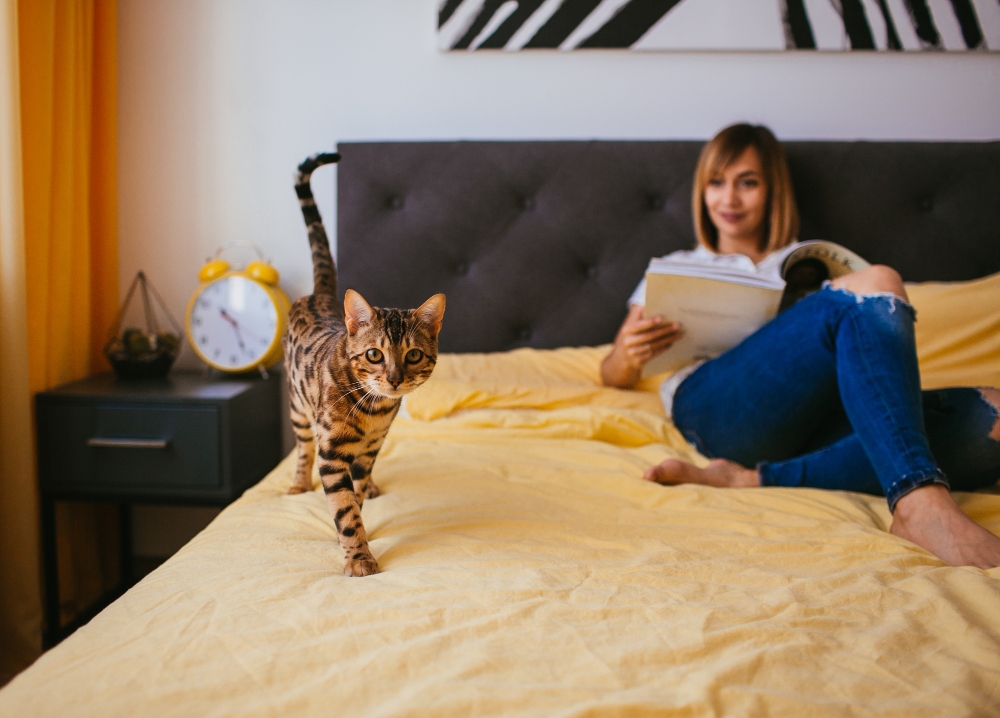
Cats are adored for their elegance, independence, and affectionate nature. Yet, one of the most frustrating problems cat owners face is when their feline companion starts peeing on the bed. Whether it’s cat peeing on bed at night, cat peeing on bed after move, or cat peeing on bed suddenly, this behavior is not random. It’s a signal that something is wrong—either physically, emotionally, or environmentally.
This blog explores the root causes of why cats pee on beds, supported by veterinary insights and feline behavior studies. We’ll also provide case studies, product recommendations, and training guides to help you stop this problem permanently.
Part 1: Understanding the Causes
Emotional Insecurity
Cats thrive on stability. Any disruption in their environment can trigger insecurity.
- Moving furniture or relocation: Cats rely on familiar scents and layouts. A move or rearrangement can lead to cat peeing on bed after move.
- New kitten or baby: Cats may feel displaced when a new family member arrives. This often results in cat peeing on bed after new baby.
- Marking territory: Peeing on the bed is sometimes a way of reclaiming ownership.
Physical Aversion
Sometimes the litter box itself is the problem.
- Dirty litter box: Cats demand cleanliness.
- Size and design: Too small or enclosed boxes discourage use.
- Location: Loud appliances or scary corners make boxes unattractive.
- Senior cats: High-sided boxes can be painful for arthritic cats.
This explains cat peeing on bed but not litter box.
Pain Association (Clinic Effect)
Cats associate pain with the litter box if they suffer from medical issues.
- UTIs and bladder stones: Painful urination leads cats to avoid the box.
- Vet visits: Stressful experiences can cause cat peeing on bed after vet visit.
- Medical conditions: Diabetes, kidney disease, arthritis, and dementia can all contribute.
Psychological Stress
Stress is a powerful trigger.
- Loud noises: Washers, dryers, or vacuums near litter boxes can frighten cats.
- Scented cleaners: Strong smells repel cats.
- Residual pheromones: Once a cat pees on the bed, lingering scent encourages repeat behavior.
- Guests or routine changes: Cats thrive on consistency. Disruptions can lead to cat peeing on bed when stressed.
Part 2: Root Causes Summary Table
| Category | Specific Problems Identified |
|---|---|
| Health | UTIs, Bladder Stones, FIC (Stress-Cystitis), Kidney Disease, Diabetes, Arthritis, Dementia |
| Litter Box | Size too small, Height too high, Wrong substrate texture/scent, Poor cleanliness |
| Social | Litter box guarding by other cats, new pets, or guests |
| Sensory | Loud appliances, scented cleaners, residual pheromones in mattress |
Part 3: Case Studies
Case 1: Cat Peeing on Bed After Move
A family relocated to a new home. Their cat began urinating on the bed nightly. Cause: insecurity and territory disruption. Solution: pheromone diffusers, multiple litter boxes, and gradual acclimatization.
Case 2: Cat Peeing on Bed After New Baby
A cat felt displaced after a newborn arrived. Cause: emotional insecurity. Solution: giving the cat dedicated playtime, safe spaces, and positive reinforcement.
Case 3: Cat Peeing on Bed Suddenly
A senior cat suddenly began peeing on the bed. Cause: arthritis and dementia. Solution: low-sided litter boxes, pain management, and waterproof mattress protectors.
Part 4: Product Recommendations
Litter Boxes
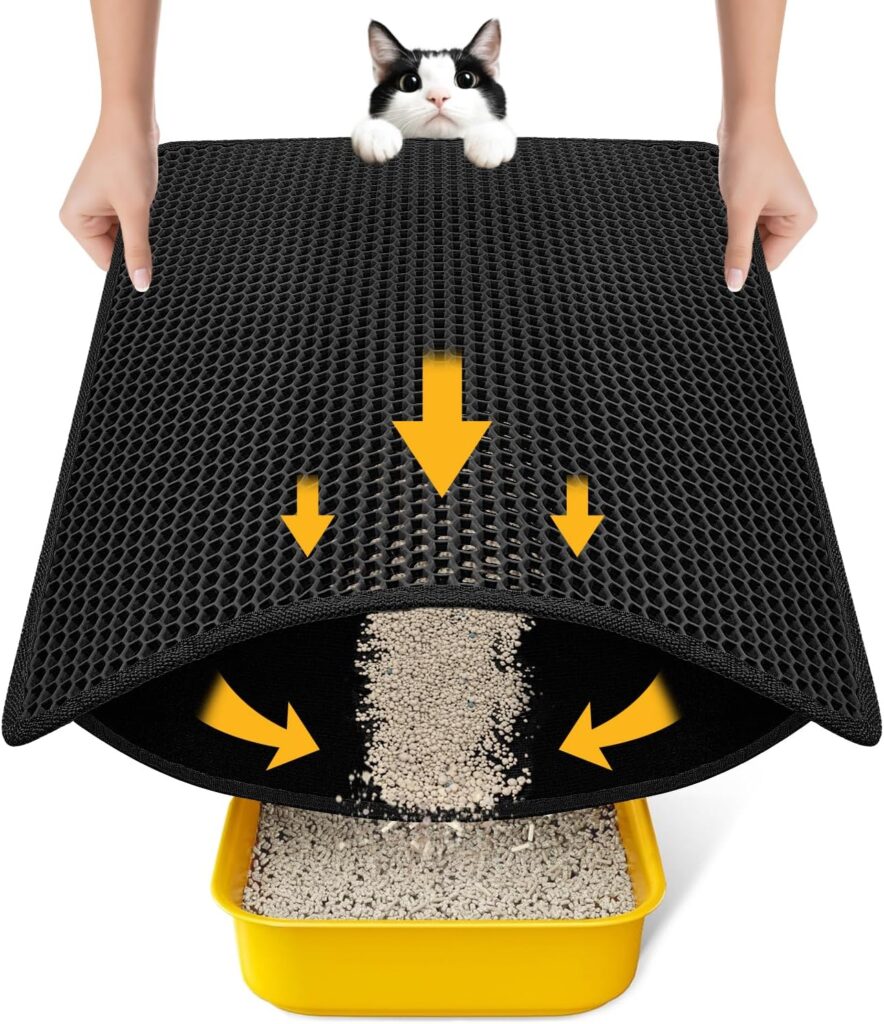
- IRIS Top Entry Cat Litter Box – Large, easy to clean.
- Nature’s Miracle High-Sided Litter Box – Great for seniors.
Cleaners
- Nature’s Miracle Enzymatic Cleaner – Removes urine scent completely.
- Rocco & Roxie Stain & Odor Eliminator – Highly rated in the USA.
Pheromone Diffusers
- Feliway Classic Diffuser – Reduces stress and marking behavior.
Mattress Protection
- SafeRest Waterproof Mattress Protector – Prevents damage from accidents.
Part 5: Step-by-Step Training Guide
- Rule Out Medical Issues
- Visit the vet to check for UTIs, bladder stones, or diabetes.
- Keyword: cat peeing on bed after neutering.
- Improve Litter Box Setup
- One box per cat plus one extra.
- Quiet, accessible locations.
- Unscented litter, cleaned daily.
- Reduce Stress
- Use pheromone diffusers.
- Maintain consistent routines.
- Provide vertical spaces and hiding spots.
- Make the Bed Unattractive
- Close bedroom doors.
- Use waterproof covers.
- Clean thoroughly with enzymatic cleaners.
- Behavioral Training
- Reward proper litter box use.
- Redirect gently when accidents occur.
Part 6: Expanded Root Causes
- Health: UTIs, bladder stones, kidney disease, diabetes, arthritis, dementia.
- Litter Box: Wrong size, wrong substrate, poor cleanliness.
- Social: Multi-cat conflicts, new pets, guests.
- Sensory: Loud appliances, strong cleaners, pheromones.
References
Throughout this article, insights were drawn from trusted veterinary and feline behavior sources:
- According to PetMD, cats often urinate on beds due to stress, medical issues, or litter box aversion.
- As explained in Complete Cat Guide, inappropriate urination is usually a symptom of deeper problems, not misbehavior.
Conclusion
Cats don’t pee on the bed out of spite. It’s a cry for help. Whether it’s emotional insecurity, physical aversion, pain association, or psychological stress, the solution lies in understanding the root cause. By addressing health, environment, and emotional needs, you can stop your cat from peeing on the bed and restore peace at home.