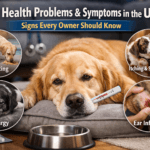


If you live in the United States and own a dog, learning the early warning signs of illness can help you act faster and protect your pet. The CDC says signs of illness in dogs can include sluggishness, depression, diarrhea, abnormal breathing, and discharge from the eyes or nose. The AVMA also stresses that regular, lifelong veterinary care is one of the most important ways to keep pets healthy.
Many dog health problems start with small changes that owners overlook at first. Your dog may sleep more, stop eating normally, scratch more often, shake their head, cough, vomit, or avoid exercise. These signs do not always mean a life-threatening problem, but they do mean your dog’s body is telling you something is wrong. In a busy home, it is easy to miss the early clues, which is why every pet owner should know the most common dog illness symptoms.
This guide is written for U.S. dog owners who want a practical, search-friendly overview of common dog diseases, everyday symptoms, and the moments when a vet visit should not wait. It also covers several health issues that are especially common in American households, including obesity, dental disease, ear infections, skin problems, respiratory infections, and heartworm disease. Google recommends content that is genuinely useful and written for people first, so this article is structured to answer the questions dog owners actually search for.
Why dog health problems are easy to miss
Dogs cannot describe pain the way humans can. Instead, they show illness through behavior, appetite, energy level, breathing, movement, or bathroom habits. A dog that used to greet you excitedly may suddenly seem quiet. A food-motivated dog may leave half a meal in the bowl. A playful dog may stop jumping onto the couch because of joint pain. These changes matter. The CDC notes that sluggishness, diarrhea, abnormal breathing, and discharge are common signs of illness, and the AVMA advises owners to contact a veterinarian if they think their pet may be sick.
For many owners, the first Google search is something like “signs your dog is sick” or “why is my dog acting weird?” That makes sense, because the earliest clues are often general rather than specific. A sick dog may eat less, drink differently, sleep more, vomit once and then seem normal, or develop a cough that sounds minor. But some illnesses get worse quickly, especially in puppies, seniors, or dogs with underlying conditions. AKC notes that ongoing vomiting or diarrhea, depression, and illness in very young or older dogs should be taken seriously.
The most common dog illness symptoms owners notice first
The most common dog illness symptoms usually fall into a few groups: digestive signs, breathing changes, skin and ear problems, energy changes, pain or mobility problems, and mouth or dental issues. Vomiting, diarrhea, lethargy, poor appetite, coughing, itching, bad breath, head shaking, limping, and unusual weight change are among the most common complaints that send owners to the veterinarian.
One important rule: one mild symptom once may not be an emergency, but symptoms that repeat, last more than a day, worsen, or occur in combination deserve prompt attention. A dog that vomits once may simply have stomach upset. A dog that vomits repeatedly, seems weak, refuses water, or has bloody diarrhea is in a very different category. The AVMA lists breathing trouble, repeated gagging, seizures, collapse, and severe bleeding among emergencies that need immediate veterinary consultation or care.
Digestive problems: vomiting, diarrhea, appetite loss
Digestive upset is one of the most common dog health problems in USA households. Dogs can develop stomach and intestinal issues from dietary changes, spoiled food, infections, parasites, inflammation, stress, or more serious disease. AKC notes that vomiting can be associated with dehydration, weakness, fever, poor appetite, abdominal pain, or weight loss when the cause is more significant. Gastroenteritis can also cause vomiting, diarrhea, lethargy, decreased appetite, dehydration, and abdominal pain.
If your dog has diarrhea that lasts, vomits several times in a day, seems depressed, or stops eating and drinking, do not wait too long. Puppies are especially vulnerable because they dehydrate faster. AKC’s puppy illness guidance says parvovirus symptoms can include bloody diarrhea, vomiting, fever, lethargy, anorexia, dehydration, weakness, and weight loss, and vaccination is the main protection.
Ear infections: one of the most common dog problems
Ear infections are extremely common in dogs, especially those with floppy ears, heavy ear hair, frequent swimming, or underlying allergies. Typical symptoms include scratching at the ear, head shaking, redness, swelling, odor, and discharge. VCA notes that repeated moisture can create conditions that favor yeast growth, and AVMA-affiliated guidance on ear trouble stresses that redness, swelling, odor, and scratching are warning signs owners should not ignore.
Many owners search “why does my dog keep shaking his head?” and the answer is often ear disease. Untreated ear infections can become more painful and harder to manage, and deeper ear problems may even cause balance issues, head tilt, or hearing changes. That is why signs your dog is sick should never be reduced to just appetite and vomiting; ear symptoms count too.
Skin allergies and itching
Itching is one of the most searched canine health issues in the U.S. Dogs may itch because of environmental allergies, food sensitivities, fleas, skin infections, or secondary ear problems. Owners usually notice constant scratching, licking paws, rubbing the face, redness, hot spots, hair loss, or skin odor. AKC and VCA both emphasize that skin and coat changes are important clues that something is wrong, especially when the itching is persistent.
Skin issues may not look dramatic at first, but they can affect quality of life in a big way. A dog that scratches all night, chews paws, and develops irritated skin is uncomfortable even if they still act playful. Because allergies and infections often overlap, a proper exam matters more than guessing based on photos online.
Dental disease and bad breath
A lot of owners assume “dog breath” is normal, but AVMA says bad breath can be a sign of dental disease, and pets with dental problems may also become irritable or show swelling around the mouth. Dental disease is not just a cosmetic problem. AVMA recently emphasized that dental disease causes real pain and serious health problems in pets.
Watch for bad breath, yellow-brown tartar, red gums, dropping food, chewing on one side, face sensitivity, or reduced interest in hard food. These are common dog illness symptoms that owners often miss because they develop slowly. Preventive dental care, home brushing when possible, and regular veterinary exams can make a major difference.
Obesity: a major dog health problem in the USA
Obesity is one of the biggest modern dog health problems in USA households. VCA reports that the 2022 Association for Pet Obesity Prevention survey found 59% of dogs were overweight, and AKC’s 2024 senior dog guidance also cites a 2023 estimate that 59% of U.S. dogs were overweight or obese. Excess weight raises the risk of arthritis, diabetes, respiratory strain, and other chronic problems.
Owners often miss obesity because gradual weight gain can start to look “normal.” If your dog has lost a visible waist, has trouble with stairs, tires easily, pants more than usual, or is slowing down on walks, weight may be part of the problem. AAHA guidance says preventing overweight and obesity supports quality of life and may contribute to a longer lifespan.
Joint pain and arthritis
If your dog is older, large-breed, or overweight, joint disease should stay on your radar. Arthritis symptoms can include stiffness, limping, difficulty getting up, reluctance to use stairs, avoidance of jumping, slower walks, and sensitivity when touched. VCA notes that dogs with arthritis may be slower on walks, have trouble standing, avoid jumping, or show lameness in one or more legs.
This matters because some dogs do not cry out in pain. Instead, they simply move less. Owners sometimes mistake pain for “just aging,” but reduced mobility is still a health issue worth addressing. Weight control, exercise planning, and veterinary guidance can help many dogs stay more comfortable.
Coughing, kennel cough, and dog flu
A sudden cough is one of the most common reasons owners search for common dog diseases online. AVMA says the classic sign of canine infectious respiratory disease complex, often called kennel cough, is a frequent, sudden, honking cough. Dogs may also have gagging, retching, sneezing, nasal discharge, eye discharge, decreased appetite, or mild lethargy. Canine influenza can look similar, with persistent cough and nasal discharge.
If your dog has been around other dogs at boarding, daycare, grooming, dog parks, or training classes, respiratory infection becomes more likely. Mild cases may improve with rest, but coughing can also overlap with more serious disease, so calling your veterinarian before bringing your dog into the clinic is smart. AVMA specifically advises owners with coughing dogs to contact the clinic first.
Heartworm disease
Heartworm is a serious disease spread by mosquitoes, and it remains a major concern in many parts of the United States. FDA says there are multiple approved preventives for dogs, including monthly oral or topical options and veterinary-administered injections. AVMA and the American Heartworm Society note that signs of heartworm disease can include cough, lethargy, exercise intolerance, appetite loss, weight loss, and, in more advanced cases, breathing difficulty or a swollen belly from fluid buildup.
Because early infection may cause no visible signs, prevention matters more than waiting for symptoms. This is especially relevant in warm and humid regions of the U.S. where mosquitoes are active for long periods.
Heatstroke and hot weather danger
Heat can become dangerous for dogs very quickly, especially in summer and in breeds with short noses, thick coats, obesity, or poor fitness. AVMA lists rapid breathing or heavy panting, excessive drooling, weakness, drowsiness, vomiting, diarrhea, and abnormal gum color among signs of heatstroke.
If your dog seems overheated, move them to a cooler area and call a veterinarian right away. Heatstroke is not just “being too hot.” It can become life-threatening fast. Prevention means shade, water, avoiding hot cars, and adjusting walks during extreme temperatures.
When dog symptoms are an emergency
Some dog health problems can wait for a same-day or next-day appointment. Others cannot. The AVMA lists severe bleeding, choking, difficulty breathing, nonstop coughing and gagging, inability to urinate, seizures, collapse, and major trauma among emergencies requiring immediate veterinary care.
In simple terms, go now if your dog cannot breathe comfortably, collapses, has repeated seizures, keeps vomiting without stopping, has bloody diarrhea and severe weakness, or shows sudden bloat, extreme pain, or severe injury. Fast action can save a life.
How to reduce your dog’s health risks
The best prevention plan is boring but powerful: routine vet visits, vaccines, parasite prevention, weight control, dental care, grooming, and attention to behavior changes. CDC says to take a new dog or puppy to a veterinarian within a few days to a week after adoption, and AVMA emphasizes ongoing care throughout life. Google’s SEO guidance also aligns with this kind of content because it directly answers the reader’s problem in a clear way.
For owners in the U.S., three habits go a long way: keep vaccines current, use flea/tick/heartworm prevention as recommended by your vet, and monitor body condition instead of only reading the number on the scale. These steps help lower the risk of some of the most common dog health problems in USA homes.
Final thoughts
Learning signs your dog is sick does not mean panicking over every sneeze. It means noticing patterns early. Appetite change, vomiting, diarrhea, coughing, scratching, ear odor, limping, weight gain, bad breath, and unusual tiredness are all signals worth watching. Many common dog diseases are easier to manage when they are caught early, and some emergencies become dangerous if owners wait too long.
If you remember one thing, let it be this: your dog’s normal behavior is your baseline. When that baseline changes and stays changed, take it seriously. That is often the first clue that a real health issue is starting.