

Many common cat diseases begin with quiet changes in routine.
A cat may hide more, eat less, stop grooming, cry in the litter box, or drink more water than usual. Because cats often hide pain, owners may overlook problems until they become worse. If you are looking for warning signs, start by watching appetite, energy, breathing, grooming, and bathroom habits. This is especially important in the United States, where issues like obesity, dental disease, urinary disease, and kidney disease are often discussed by veterinarians and pet owners searching for sick cat symptoms USA.
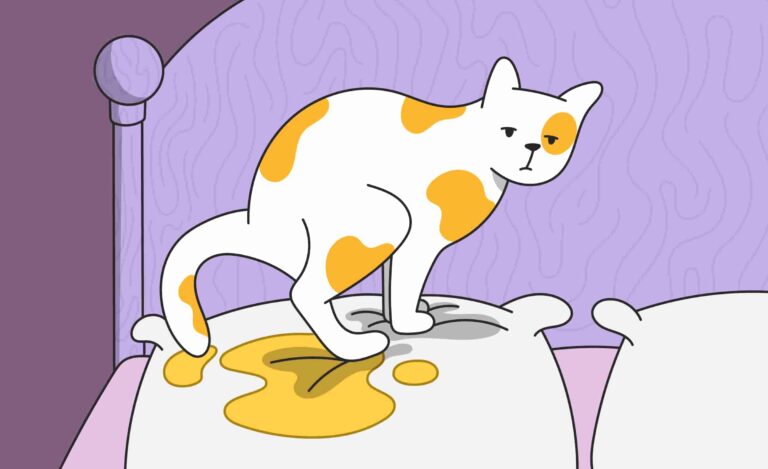
One of the biggest concerns is urinary trouble. AVMA and Cornell both describe feline lower urinary tract disease as a problem that can cause straining, frequent urination, blood in the urine, crying while urinating, and accidents outside the litter box. These are important cat illness symptoms because male cats with a blockage may be unable to urinate at all, which is an emergency. Among common cat diseases, urinary blockage is one of the most urgent. If you notice signs your cat is sick such as repeated trips to the litter box with little or no urine, call a veterinarian immediately. Cases like this are a major reason people search for sick cat symptoms USA.
Dental disease is another health problem that is easy to miss. Cornell and AVMA note that dental disease can cause bad breath, drooling, red gums, difficulty chewing, and reluctance to eat hard food. These are classic cat health issues that may look mild at first but can be painful. Cats do not always cry or stop eating right away, so owners need to pay attention. If you are checking signs your cat is sick, bad breath and mouth discomfort should stay high on your list. Dental pain is also one of the more overlooked common cat diseases in indoor cats.
Weight gain is also a major concern. VCA says obesity is a chronic condition that can shorten a cat’s life and increase the risk of diabetes, orthopedic disease, and other medical problems. That makes obesity one of the most important cat health issues to monitor over time. Indoor cats in particular may move less and consume more calories than they need. For many families reading about sick cat symptoms USA, reduced activity, poor grooming, and trouble jumping can be clues that excess weight is affecting daily life. In some cases, these changes appear before owners recognize clear cat illness symptoms.
Kidney disease becomes more common as cats age. Cornell says early chronic kidney disease may show no obvious signs, but as it progresses many cats drink more water, urinate more, lose weight, and lose appetite. These subtle changes can look like normal aging, but they may actually be serious cat health issues. If you are trying to understand signs your cat is sick, increased thirst and more frequent urination should always get your attention. This is another reason owners search for sick cat symptoms USA, especially when an older cat starts looking thinner or weaker.
Respiratory infection is another reason people worry. The CDC says cats infected with influenza virus can show sneezing, coughing, fever, discharge from the nose or eyes, low energy, and loss of appetite. Cornell also notes that feline calicivirus can start like a cold, with sneezing, congestion, fever, drooling, and eye or nose discharge. These are all cat illness symptoms that may spread more easily in shelters, rescues, or multi-cat homes. Among common cat diseases, upper respiratory infections are some of the most recognized by owners because the symptoms are easier to see.
So when should you stop searching and go to the vet right away? AVMA says emergency warning signs in pets include trouble breathing, collapse, severe bleeding, seizures, and signs of internal bleeding such as pale gums or weakness. For cats, inability to urinate is another true emergency. These are not just problems that can wait a few days. If you see signs your cat is sick and those signs include breathing trouble, repeated vomiting, collapse, or urinary blockage, seek urgent care now. Those severe events are among the most dangerous sick cat symptoms USA owners may encounter.
The best way to reduce risk is prevention. Keep up with regular vet visits, monitor your cat’s teeth and gums, manage weight, and pay close attention to litter box habits. Google’s Search Essentials says helpful content should be written for people first and use the words real users search for, instead of keyword stuffing. That is why this guide focuses on cat wellness concerns, practical cat illness symptoms, and the most common cat diseases owners actually want to understand. When you know the patterns and watch for early changes, you have a much better chance of spotting signs your cat is sick before severe cat health issues develop.