

Affiliate Disclosure: As an Amazon Associate, I earn from qualifying purchases.
Keeping a healthy Crested Gecko, Gargoyle Gecko, or other arboreal reptile comes down to getting the daily husbandry details right. While lighting and humidity often get the most attention, your daily feeding routine plays a huge role in your pet’s well-being—and your own maintenance workload.
If you have ever tried mixing powdered crestie diet inside a tiny dish using a standard kitchen spoon, you know how messy it can get. Powder gets stuck in the corners, slurry drips down the side of the terrarium glass, and cleaning dried diet off plastic dishes quickly becomes a daily headache.
In this guide, we break down how to choose the right crested gecko feeding ledge and cups, the best tools for mixing powder diets effortlessly, and how eco-friendly accessories can save you time while keeping your pet’s habitat hygienic.
The Unique Feeding Needs of Arboreal Geckos
Unlike ground-dwelling lizards such as leopard geckos or bearded dragons, arboreal (tree-dwelling) geckos spend the vast majority of their time off the ground. In the wild, New Caledonian geckos forage in low branches and shrubs for rotting fruit, nectar, and insects.
Why Elevated Feeding Ledges Matter
In captivity, placing a food dish directly on the substrate floor creates two issues:
- Stress: Arboreal geckos often feel vulnerable eating on the floor.
- Ingestion Risk: Geckos can accidentally swallow coconut coir, bark, or bio-active substrate while eating, leading to potential impaction.
Using an elevated acrylic, resin, or magnetic feeding ledge attached to the enclosure glass allows your gecko to feel secure while eating at their natural height.
Sizing It Right: Why 1oz Cups Are the Standard
Most adult crested geckos eat between 1/2 to 1 teaspoon of prepared diet per feeding. Standard 1-ounce cups fit perfectly into almost all commercial magnetic and suction-cup feeding ledges on the market. Using larger dishes usually results in wasted diet, while smaller dishes spill easily.
Essential Gear Reviews for Your Gecko Feeding Station
Having dedicated tools makes preparing diet slurs (like Pangea or Repashy) fast, clean, and consistent.
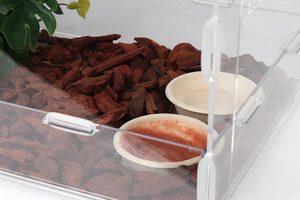
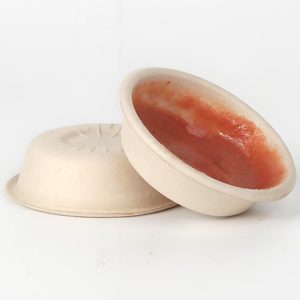
100Pcs 1oz Biodegradable Crested Gecko Food Cups
Cleaning dried meal replacement diet off reusable plastic cups is one of the most tedious parts of gecko ownership. Dried gecko food sets like concrete.
Check the latest price on Amazon
Key Features & Specs:
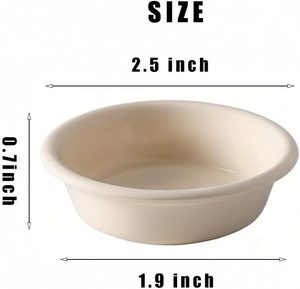
- Capacity: 1 oz (Standard size for commercial feeding ledges)
- Material: Eco-friendly biodegradable plant fiber / sugarcane pulp
- Quantity: 100-count bulk pack
- Compatibility: Fits standard single and double suction-cup/magnetic feeding ledges
Pros:
- Time-saving: Toss after use without guilt over single-use plastic waste.
- Hygienic: Eliminates bacterial growth caused by improperly washed plastic dishes.
- Sturdy Structure: Holds liquid slurry without leaking or collapsing overnight under habitat humidity.
Cons:
- Absorbency Over Time: If liquid food is left in the cup for more than 48 hours, thin paper-based walls may slowly soften (though food should be removed after 24 hours anyway).
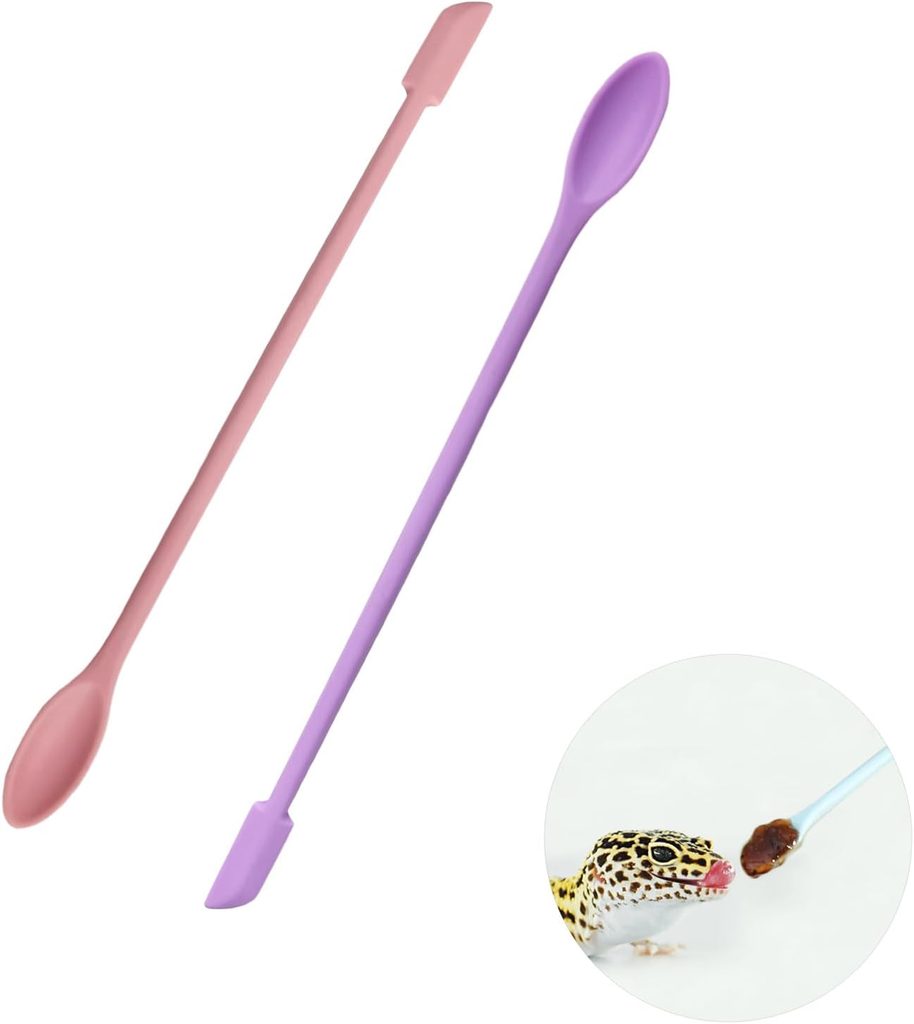
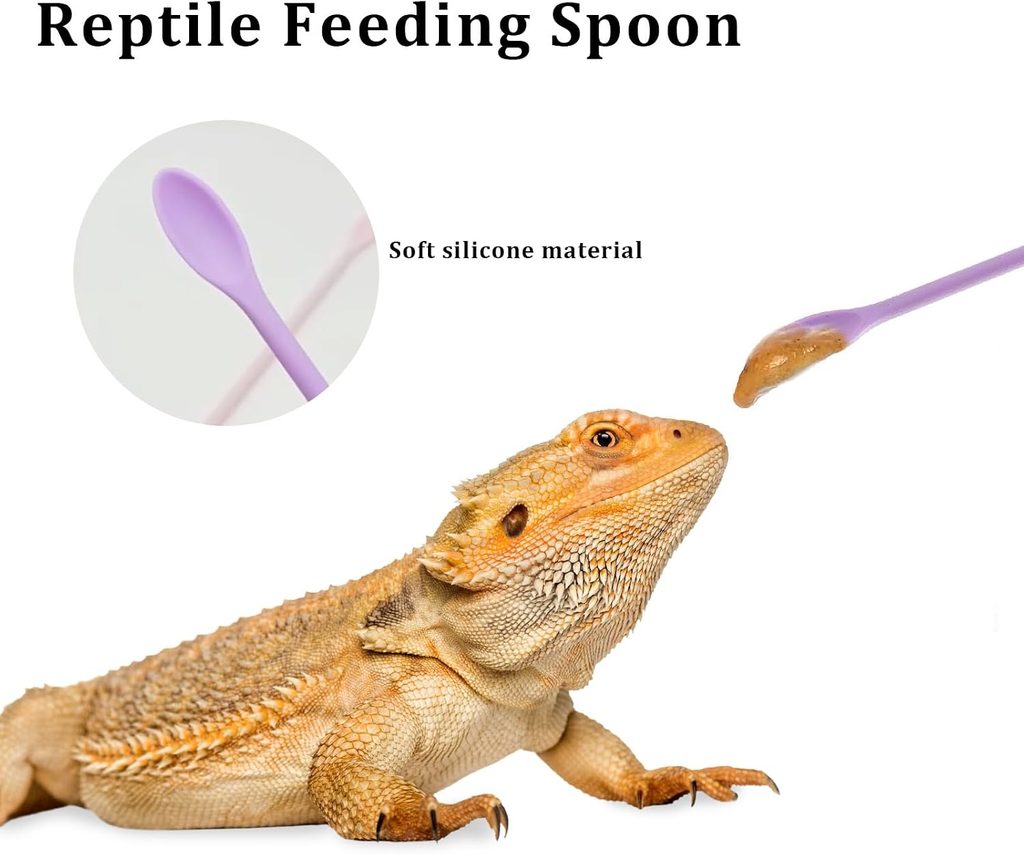
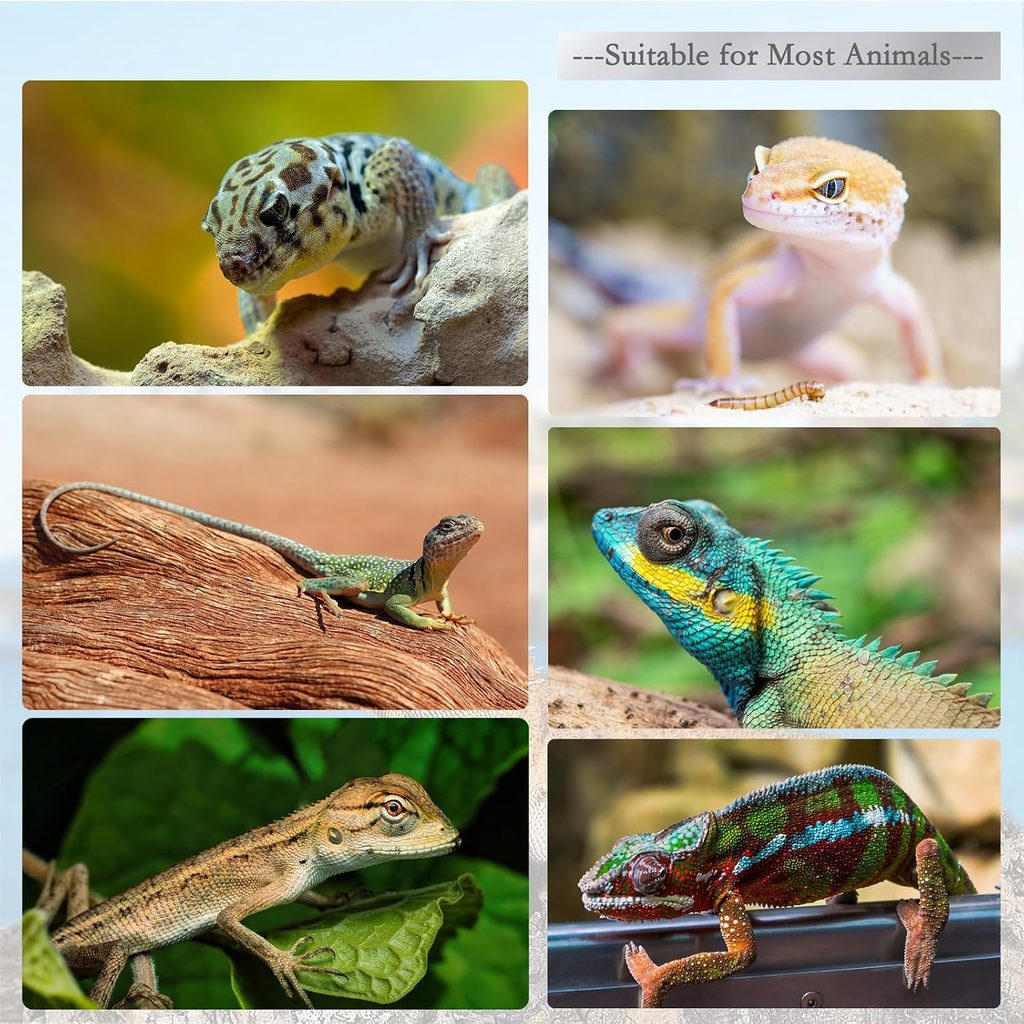
2Pcs Long-Handle Reptile Powder Mixing Spoons
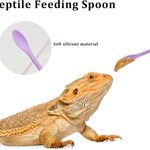
Mixing powdered food inside a shallow 1-ounce cup using a butter knife or wide spoon usually leaves dry, unmixed lumps at the bottom. A dedicated long-handled reptile food spoon solves this problem.
Check the latest price on Amazon
Key Features & Specs:
- Design: Slim, micro-spoon head with an extended handle
- Material: Smooth, non-toxic feeding grade material
- Quantity: 2-piece set
Pros:
- Reaches Cup Corners: Tiny spoon head fits completely into 1oz cups to smooth out all powder lumps.
- Clean Hands: Long handle keeps your fingers dry and free of sticky fruit slurry.
- Versatile: Works great for mixing calcium/multivitamin powders for dusting feeder insects.
Cons:
- Hand-Wash Recommended: Small accessories are easily lost in standard dishwasher cutlery baskets.
Comparison: Biodegradable Paper Cups vs. Standard Plastic Cups
| Feature | 1oz Biodegradable Paper Cups | Reusable Plastic Cups | Heavy Resin / Ceramic Dishes |
|---|---|---|---|
| Eco-Friendliness | High (Compostable plant fibers) | Low (Non-biodegradable waste) | High (Lasts indefinitely) |
| Cleaning Effort | Zero (Disposable) | High (Requires scrubbing) | High (Requires soaking) |
| Ledge Compatibility | Excellent (Fits 1oz ledges) | Excellent (Fits 1oz ledges) | Poor (Too heavy for most ledges) |
| Bacterial Risk | Very Low (Fresh cup each meal) | Moderate (If micro-scratched) | Low |
| Long-Term Cost | Low recurring cost | Low initial cost | One-time investment |
How to Mix Crested Gecko Diet Without the Mess
Achieving the right texture for commercial gecko diets ensures your pet stays hydrated and eats eagerly:
- Measure the Ratio: Combine 1 part powder to 2 parts water in your 1oz biodegradable cup.
- Stir Thoroughly: Use a long-handled reptile spoon to reach the bottom corners, breaking up dry pockets until the mixture resembles thin ketchup or smoothie consistency.
- Let It Sit: Allow the slurry to rest for 2 to 3 minutes to thicken naturally.
- Place in Ledge: Insert the cup securely into your elevated ledge.
- Remove Promptly: Remove uneaten food after 24 hours to prevent mold or fruit fly attraction in humid enclosures.
Common Gecko Feeding Mistakes to Avoid
- Overfilling the Cup: Filling a 1oz cup to the brim almost guarantees your gecko will step in it, tracking sticky food across the terrarium glass. Fill cups only 1/3 to 1/2 full.
- Leaving Food In Too Long: The high-humidity environment needed for crested geckos (60–80%) speeds up mold growth on wet diets. Always clear cups after 24 hours.
- Feeding Exclusively on the Floor: Ground feeding causes unnecessary stress for arboreal species. Always prioritize elevated ledges.
Frequently Asked Questions
What size food cup fits a crested gecko feeding ledge?
Standard single and double acrylic or resin gecko ledges are designed specifically for 1-ounce (30ml) cups.
Are biodegradable cups safe for humid terrariums?
Yes, quality plant-fiber cups hold wet slurries for 24 hours under standard terrarium humidity levels without dissolving or leaking through.
How often should I feed my crested gecko?
Juvenile geckos should be offered fresh diet daily, while healthy adult crested geckos generally require feeding every 2 to 3 days.
Final Recommendation
Upgrading your gecko care setup with dedicated mixing tools and biodegradable cups saves time every evening while providing a cleaner, healthier habitat for your pet. Pairing a sturdy long-handle stirring spoon with 1oz biodegradable feeder cups eliminates daily scrubbing and makes feeding your arboreal reptiles effortless.